The #1 SEO Mistake Health & Wellness Websites Make
Health and wellness websites need to understand that a beautiful website does not bring clients. Still, many health practices publish content consistently, target relevant keywords, and explain their services clearly. Yet, their articles still fail to convert.
Ask yourself: Who are you actually writing for?
Many health and wellness brands lose sight of the person sitting at the other side of the search, looking for answers to their symptoms. They are worried and overwhelmed. At that time, the last thing they want to read is a website selling services without understanding their needs.
As a brand owner, you know your services inside out, understand your industry, and know the exact keywords you want to target. But that does not necessarily reflect what your audience is actually searching for.
In healthcare and wellness, knowing your audience goes far beyond basic demographics. It’s about mapping their specific questions, anxieties, and goals.
Writing content for health and wellness websites is complex. In this guide, we will discover the top SEO mistake most health and wellness websites make and how to tackle it.
The #1 SEO Mistake Health & Wellness Websites Make
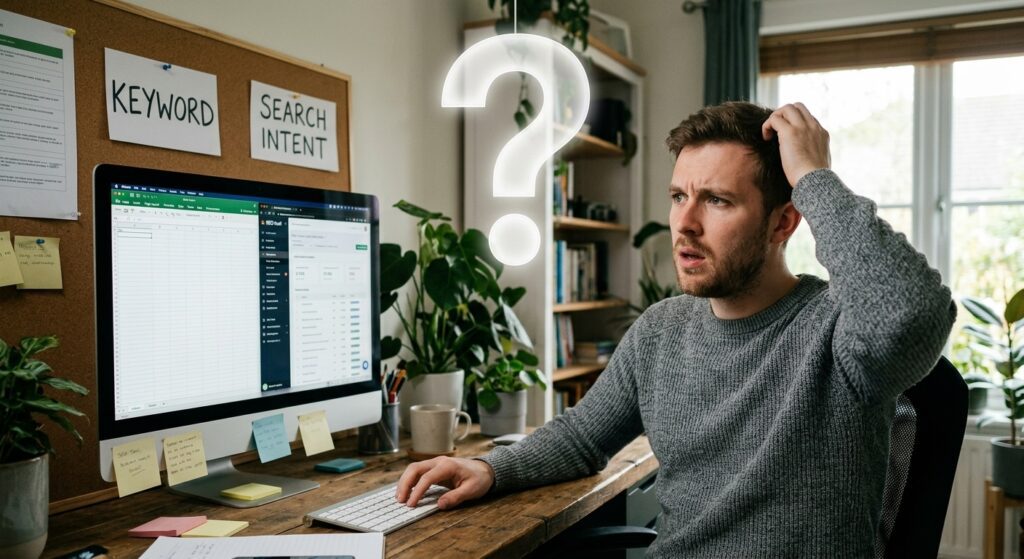
The first thing most brands do when planning content is to focus heavily on explaining their services instead of understanding what their audience wants. This creates an immediate content gap because what you are selling is rarely what your audience is initially searching for.
Instead of asking:
“What services do we offer?”
“What keywords can we rank for?”
“What topics fit our brand?”
Start asking: What does the searcher actually need right now?
That’s where search intent comes in. Every query typed into Google carries a distinct motivation. A keyword alone doesn’t tell the whole story.
For instance, someone searching “stress management techniques” wants practical, self-guided tips they can try today. Someone searching “stress management therapy” is actively seeking professional support. Although both searchers care about stress, their underlying needs are completely different.
If your article treats both queries identically, you might hit the keyword target while failing the reader entirely.
So, if your content is not converting, ask yourself: Do I understand the intent behind this keyword? Does my content guide the reader to take an action?
If not, you need to rethink your content strategy.
Why Health & Wellness Content Is Especially Vulnerable
Unlike many other industries, health and wellness content cannot be written without solid sources and careful verification. You cannot simply pull information from AI, turn it into an article, and expect it to build trust.
Generic advice may sound helpful, but it can fail the reader when it does not address their specific concern or provide reliable, verifiable information.
And even if your content is accurate and ranks well, that does not automatically mean it will convert. If the person reading it cannot trust the writer, the information, or the website behind it, they are unlikely to take the next step.
That’s why visibility alone is not enough in health and wellness. You need visibility backed by trust.
The Fix: Map Intent Before Choosing the Keyword
Before choosing a keyword, understand what the person behind the search actually wants. Ask what they are trying to understand, what information they need, and what they may want to do next. The keyword helps you reach the audience, but search intent helps you create something they actually need.
If you want to go deeper into how to plan healthcare content around what your audience actually needs, I’ve covered that in How to Create Healthcare Content That Patients Actually Want to Read.
Bridge the Gap Between Keywords and Conversions
A piece of content can rank on Google and still fail to create a meaningful business outcome. Traffic isn’t the end goal. If the content doesn’t answer the reader’s actual need, ranking alone won’t make it useful. Before publishing your next health or wellness article, stop asking only, “What keyword should we target?”
Start asking, “What does this person actually need from us?” What are they trying to understand? What prompted them to search? What concern are they trying to resolve? And what information are they missing? These questions help you find the content gaps between what your brand is saying and what your audience actually needs to know.
That’s where I build content. I identify those gaps, map content to search intent, and create SEO content that connects your expertise with the questions your audience is actually asking.
Because the goal isn’t simply to create content that Google can find.
It’s to create content that the right people find useful, relevant, and trustworthy.
If you’re looking for healthcare and wellness content built around your audience, search intent, and the gaps in your existing content, explore my healthcare and wellness content writing services.