Will Hair Grow Back After Stress? Understanding Stress-Related Hair Loss
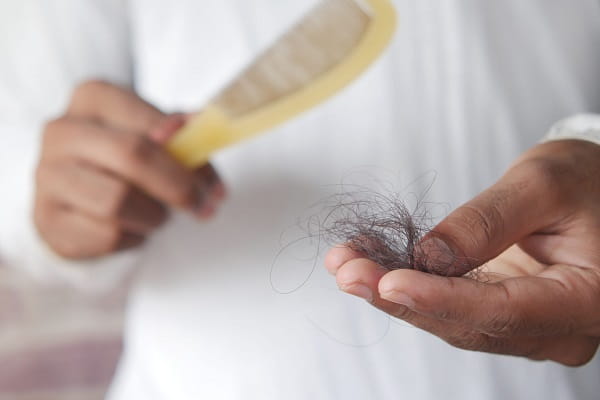
Hair loss after stress can be alarming, especially when the shedding starts weeks or months after a stressful event. You may notice more hair than usual in your brush, shower drain, or on your pillow.
Will hair grow back after stress? In many cases, yes. A common cause of stress-related shedding is Telogen Effluvium (TE), a temporary condition that disrupts the normal hair growth cycle. The shedding can look dramatic, but it usually does not permanently damage the hair follicles.
Why Does Hair Loss Happen After Stress
Stress-related hair shedding usually does not happen immediately after a stressful event. With Telogen Effluvium, increased shedding may become noticeable around 2 to 3 months after the trigger.
This delay can make it difficult to connect the hair loss with the original stressful event. By the time you notice increased shedding, the stressful situation may have already passed.
The timing can vary depending on the person and the trigger, so persistent or unusual hair loss should be evaluated by a healthcare professional.
What Can Trigger Hair Loss After Stress
There are several triggers leading to hair loss after stress. The main contributing factors are mentioned below.
Emotional Stress
Emotional events may temporarily interrupt the hair growth cycle, including:
- Loss of a loved one
- Divorce or relationship breakdown
- Job loss or career burnout
- Severe anxiety
- Major life changes
Physical Stress
Your body responds similarly to physical trauma. Common triggers include:
- High fever or infection
- COVID-19 or other viral illnesses
- Surgery or childbirth
- Serious injury or hospitalization.
Nutritional Factors
Poor nutrition often worsens hair loss after stress. Possible contributing factors include:
- Rapid weight loss
- Very low-calorie diets
- Iron deficiency and low vitamin D
- Protein deficiency
- Vitamin B12 or zinc deficienc
How Long Does Hair Loss after Stress Last?
Hair shedding after stress usually develops gradually rather than immediately. With Telogen Effluvium, increased shedding may become noticeable about 2 to 3 months after the triggering event.
The shedding phase can continue for several months. As the underlying trigger resolves, shedding usually decreases and new hair growth gradually becomes visible.
Recovery varies from person to person. Some people notice improvement within a few months, while fuller regrowth can take 6 to 12 months or longer.
How to Recover From Hair Loss After Stress
There is no instant treatment for stress-related hair shedding. In many cases, the hair gradually returns to its normal growth cycle once the underlying trigger has resolved. You can support recovery by taking care of your overall health and avoiding additional stress on the hair.
Eat a Nutrient-Rich Diet
A balanced diet provides the protein, iron, zinc, and other nutrients your body needs for healthy hair growth. Avoid crash diets or rapid weight loss, which may contribute to additional shedding.
If a healthcare professional suspects a nutritional deficiency, they may recommend blood tests and appropriate treatment.
Manage Ongoing Stress
Ongoing stress may continue to affect your overall health and well-being. Regular physical activity, relaxation techniques, adequate sleep, and other healthy coping strategies can help you manage stress.
Be Gentle With Your Hair
Avoid tight hairstyles, excessive heat, and harsh chemical treatments while your hair is shedding. Use gentle hair care practices and avoid unnecessary pulling or brushing.
These steps cannot make Telogen Effluvium resolve immediately, but they can help reduce additional hair damage while your normal growth cycle recovers.
When Should You See a Doctor?
Telogen Effluvium often improves as the underlying trigger resolves. However, not all hair loss is caused by stress. Consider speaking with a healthcare professional if:
- Hair shedding continues for more than six months without improvement.
- You develop patchy areas of hair loss rather than general shedding.
- Your scalp becomes painful, inflamed, very itchy, or develops other noticeable changes.
- You have other symptoms such as persistent fatigue, unexplained weight changes, or menstrual changes.
- Your hair continues to thin even after the suspected trigger has resolved.
A dermatologist can assess your scalp and hair loss pattern and determine whether further evaluation is needed. Depending on your symptoms and medical history, they may consider other possible causes, such as nutritional deficiencies, thyroid problems, or another type of hair loss.
Frequently Asked Questions
Will my hair grow back after stress?
In many cases, yes. Telogen Effluvium is usually temporary and does not permanently damage the hair follicles.
How long does stress hair loss last?
Recovery varies from person to person. Shedding may improve over several months, while visible regrowth can take 6 to 12 months or longer.
Can stress really cause hair loss?
Yes. Strong emotional or physical stress can trigger Telogen Effluvium. It can cause noticeable hair loss a few months after the stress. The condition is usually temporary, and hair typically regrows once the body recovers.
Conclusion
Hair loss after stress can be concerning, especially when the shedding begins months after the stressful event. In many cases, however, stress-related hair loss such as Telogen Effluvium is temporary and hair growth gradually returns as the body recovers.
A balanced diet, gentle hair care, and managing ongoing stress can support your overall health while the hair growth cycle recovers. If shedding continues for several months, becomes patchy, or occurs alongside other symptoms, speak with a healthcare professional to look for other possible causes.
Recovery takes time, so seeing continued shedding does not necessarily mean the hair loss is permanent.
If you’re a healthcare or wellness brand looking to create accurate, patient-friendly content that aligns with search intent, explore my health and wellness content writing services.